
Afrobeats has moved through early 2026 with elite momentum, and the biggest records are no longer judged by first-week noise alone. The songs that matter now are those with cross-market utility: they work in Lagos clubs, London diaspora sets, algorithmic playlists, wedding edits, and day-to-day replay behavior. This ranking focuses on records that have held shape under real listening pressure. How we ranked: we balanced replay value, playlist visibility, radio friendliness, social-media portability, and dance-floor utility. A song with steady long-tail momentum can outrank a louder but shorter viral spike. Each entry includes real media (artist image/artwork), a direct YouTube watch embed, and a full single-paragraph analysis in long-form editorial format.
1. Rema – Baby (Is It a Crime)
 Rema’s “Baby (Is It a Crime)” sits at No.1 because it combines melodic immediacy with rare durability. The hook lands in seconds, but the record keeps revealing emotional detail across repeated listens, which is why it has survived beyond launch hype. It works in playlist sequencing, social edits, and soft-transition DJ moments without sounding over-processed. Rema’s vocal phrasing remains unmistakable, and that identity helps the song retain value in a crowded release calendar. In 2026 terms, this is a complete performance profile: high replay, broad accessibility, and strong listener attachment. It is not just a hit by numbers; it is one of the clearest examples of Afrobeats songwriting and execution operating at full commercial and artistic efficiency.
2. Davido feat. Omah Lay – With You
 “With You” ranks this high because it is feature chemistry done correctly. Davido brings scale and polish, while Omah Lay adds emotional precision that gives the song depth beyond radio shine. The arrangement stays clean, leaving room for both voices to contribute meaningfully without crowding the hook. That balance has helped the track perform across multiple lanes: mainstream playlists, creator content, and evening DJ sets where emotional pacing matters. It feels intimate but still built for mass circulation, which is a difficult balance to strike consistently. In a cycle crowded with high-profile collaborations, “With You” stands out because it sounds cohesive rather than transactional, and that cohesion is exactly what sustains replay over time.

3. Asake – Why Love
 Asake’s “Why Love” continues his run of rhythm-led records that remain artist-specific, not template-driven. The song has his recognizable cadence and tonal confidence, but it still feels fresh enough for a new cycle. It works equally in high-energy settings and private listening, which explains its strong retention in 2026 playlists. Production choices are lean but intentional, giving movement without burying vocal texture. That restraint is part of why the record lasts after the first hook effect wears off. Asake’s biggest advantage remains consistency with evolution: listeners get the identity they expect while hearing enough variation to keep engagement high. “Why Love” is a durable, cross-context performer and one of the most stable entries in the current Afrobeats race.
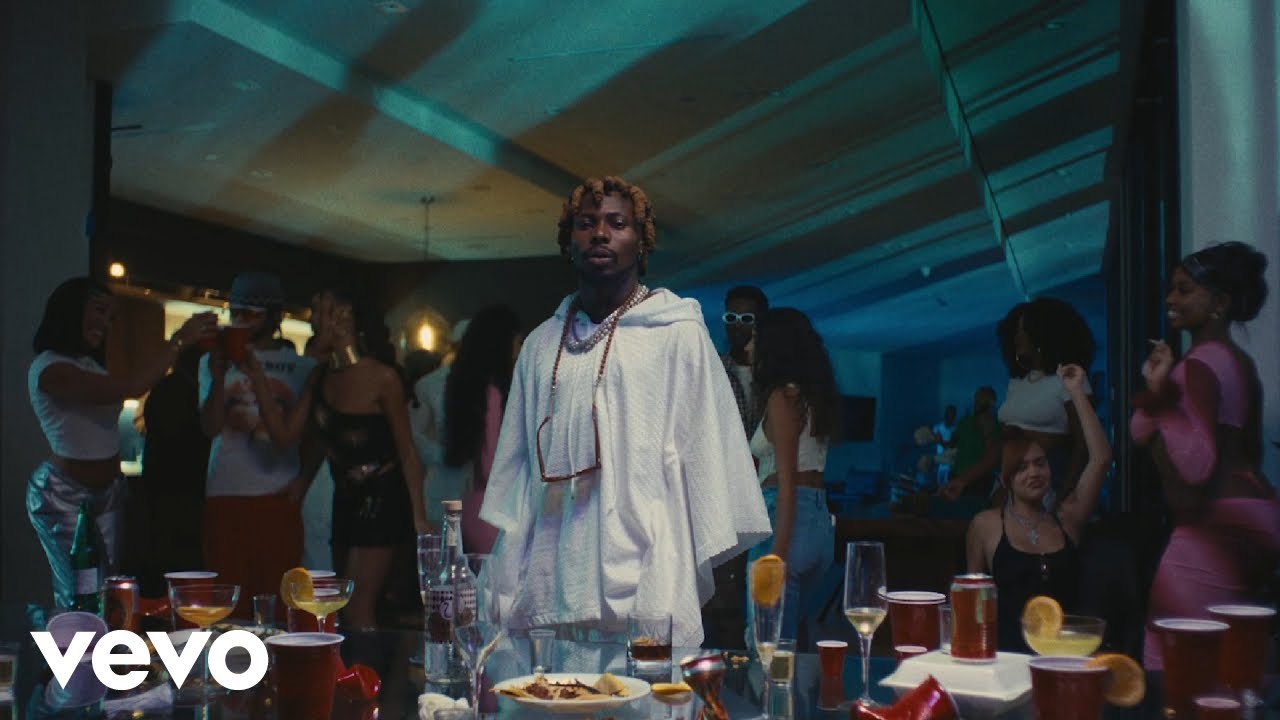
4. Ayra Starr feat. Wizkid – Gimme Dat
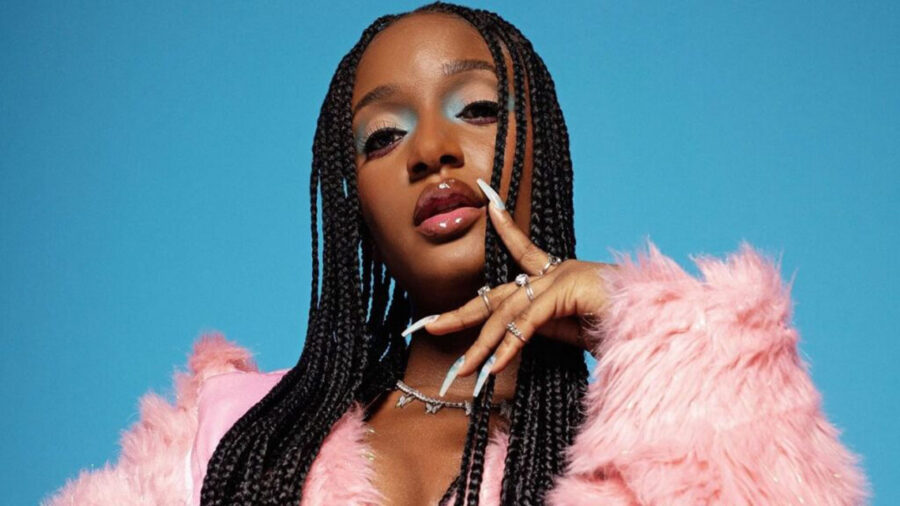 “Gimme Dat” is a premium collaboration because the song itself leads the strategy. Ayra Starr remains the core voice and emotional center, while Wizkid adds veteran ease and international familiarity without overpowering the arrangement. The result is a record that sounds organic, not assembled for optics. It has stayed relevant in 2026 because it performs across audience groups: core Afrobeats fans, crossover listeners, and playlist-first consumers. Structurally, the hook is efficient, the verses are clean, and the overall pacing supports both quick engagement and repeat listening. In a market where co-sign tracks often fade once novelty drops, “Gimme Dat” continues to hold because the chemistry is real and the songwriting supports long-tail replay.
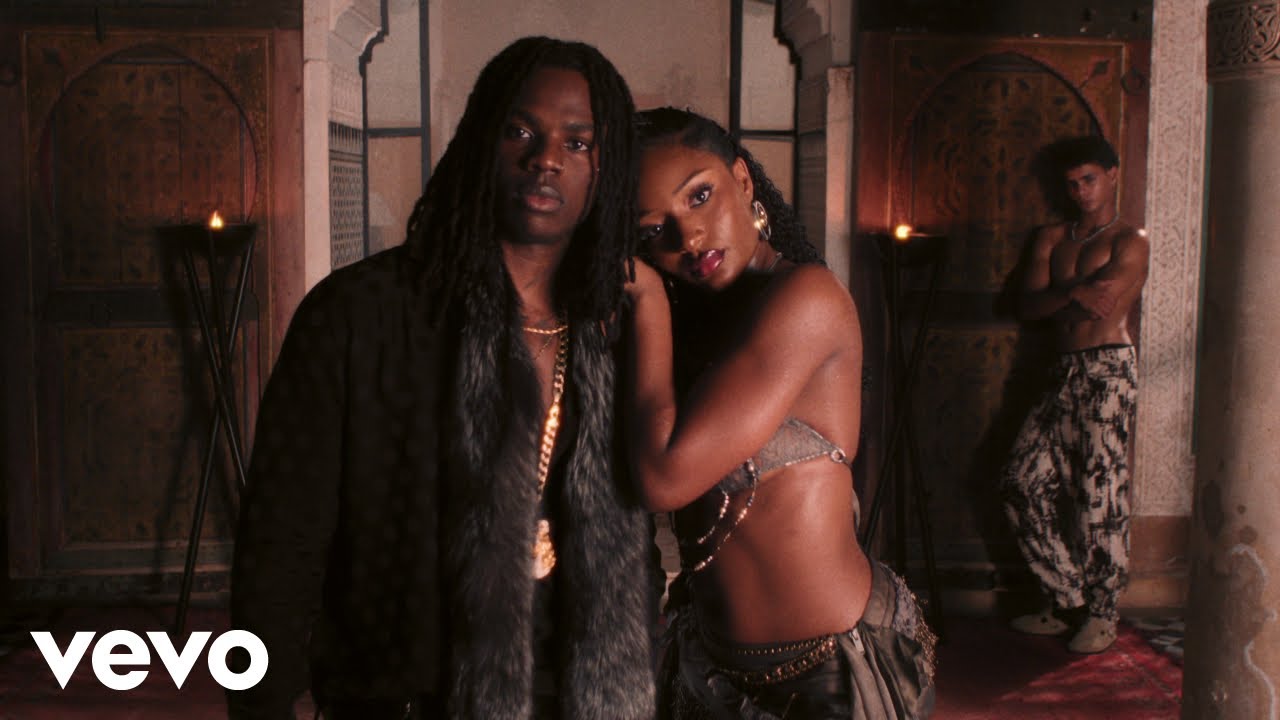
5. Burna Boy – TaTaTa
“TaTaTa” is Burna Boy at maximum crowd-command efficiency. The record is built on direct rhythmic pressure and chant-ready architecture, making it one of the most effective live-adjacent songs still shaping 2026 Afrobeats energy. What keeps it from being a short-burst track is Burna’s vocal authority; he gives the song a core identity that survives beyond hype clips. It performs strongly in party content and set transitions, but it also holds in full-track listening because the arrangement never loses urgency. In current platform conditions, songs designed for immediate attention often burn out quickly. “TaTaTa” has avoided that by combining impact with structure, making it one of the most reliable high-intensity records in this year’s active rotation.
![Burna Boy - TaTaTa (feat. Travis Scott) [Official Video]](https://www.ubetoo.com/wp-content/cache/flying-press/c683979af5af2ac96d27abe234fd6fb0.jpg)
6. Burna Boy – Bundle by Bundle
“Bundle by Bundle” has remained commercially relevant because it is exceptionally usable across formats. It carries Burna’s signature confidence with a structure that DJs can deploy in multiple set positions, from energy build-ups to peak crowd moments. The chant utility is obvious, but what matters more for longevity is that the record still feels complete in solo listening contexts. Production stays tight and uncluttered, allowing the vocal to do real identity work. This is one of those songs that keeps resurfacing in playlists because it is easy to program and hard to skip. In a release-heavy year, that kind of functional durability is a major competitive edge, and “Bundle by Bundle” continues to benefit from it.
![Burna Boy - Last Last [Official Music Video]](https://www.ubetoo.com/wp-content/cache/flying-press/dc9f064c5fc59edcc34ebe96019ff4b3.jpg)
7. Ruger – Jay Jay
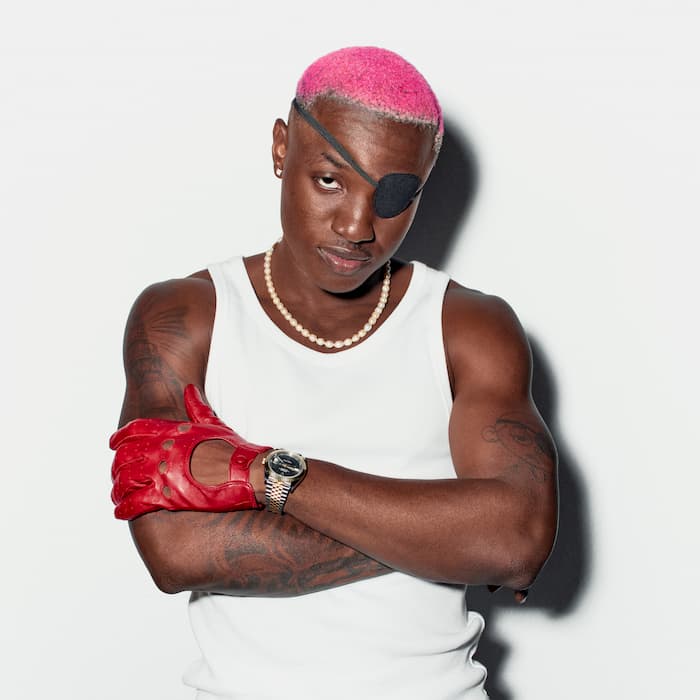 “Jay Jay” is a strong Ruger record because it does exactly what modern distribution rewards: immediate hook recognition, crisp personality, and replay-safe structure. The topline reaches listeners fast, which helps social portability, but the track also has enough groove and vocal nuance to survive full-length listening. Ruger’s branding remains one of his strongest assets, and this song reinforces that with zero ambiguity. It has stayed active in 2026 because curators can place it almost anywhere without flow disruption. Records that work in both short attention and long attention environments are increasingly rare, and “Jay Jay” clears that threshold convincingly. Its ongoing relevance reflects not just hype, but disciplined song construction matched to current audience behavior.
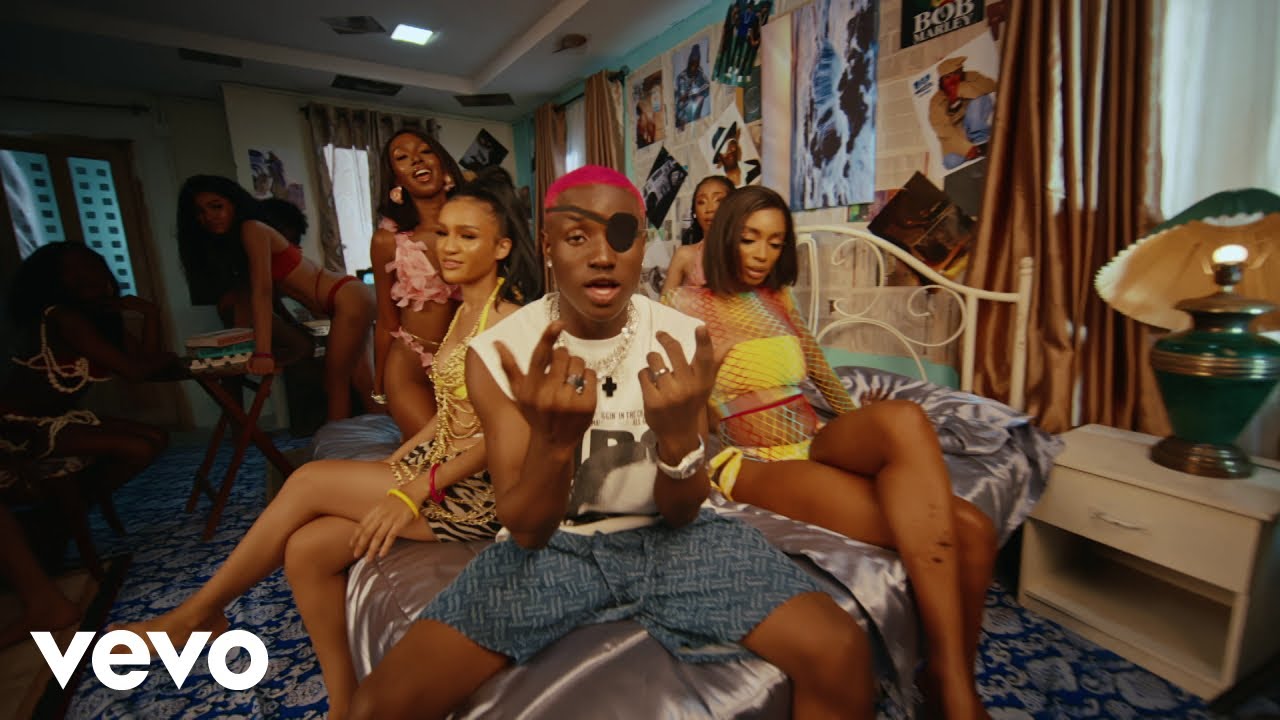
8. Ruger – Toma Toma
“Toma Toma” grows differently from “Jay Jay,” and that difference is exactly why it deserves a separate placement. It leans more into groove sustainability than immediate punch, which makes it strong for longer playlist sessions and late-night set pacing. Ruger’s vocal presence keeps the record centered, while the production gives just enough motion to keep listeners engaged through repeat loops. This song has benefited from adjacency effects in algorithmic listening, where users who enter via one Ruger track remain in his ecosystem. In 2026, that kind of multi-track retention matters as much as single-song spikes. “Toma Toma” has become a dependable slow-burn asset with real curation value and consistent replay across audience segments.
9. Kizz Daniel – Eyo
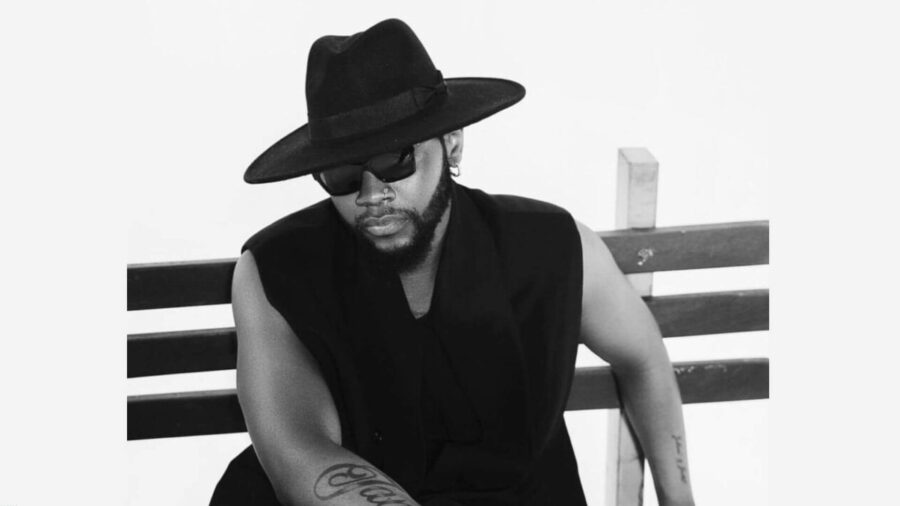 “Eyo” confirms Kizz Daniel’s status as one of Afrobeats’ most dependable hook architects. The song feels effortless on first pass, but that ease is backed by tight writing discipline and clean structural pacing. It performs well in mainstream playlist settings because it is immediately accessible, then keeps value through subtle melodic details that improve repeat listening. In a year where novelty cycles are short, “Eyo” has shown better-than-average retention by relying on craftsmanship over gimmicks. It also carries strong sequencing utility for DJs and curators, fitting between high-energy cuts and softer melodic tracks without tension. This is precisely the kind of song that might look simple but wins long-term because every component is calibrated for replay.
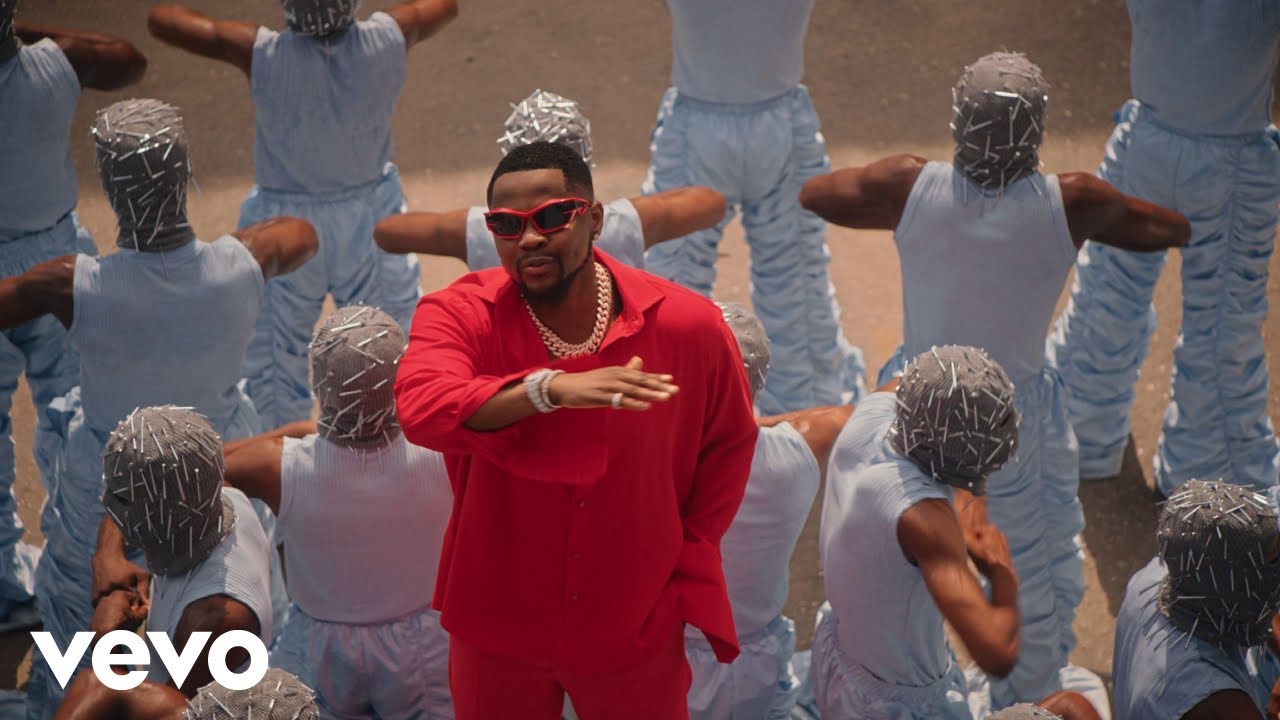
10. Kizz Daniel – Secure
“Secure” adds emotional contrast to Kizz Daniel’s 2026 output and expands his cycle reach beyond pure hook-led programming. The record’s strength lies in controlled vulnerability: it feels personal without sacrificing mainstream polish. That profile gives it strong placement in softer playlist contexts, where attachment and mood continuity drive repeat behavior. Compared with louder songs, “Secure” builds value gradually, but often lasts longer because listeners form deeper connection. Production remains clean and supportive, allowing vocal tone to carry the narrative weight. In current Afrobeats consumption patterns, songs with emotional durability tend to outperform short-burst virals over time, and “Secure” is already demonstrating that trajectory through steady replay and broad-context usability.
11. Joeboy – Taxi Driver
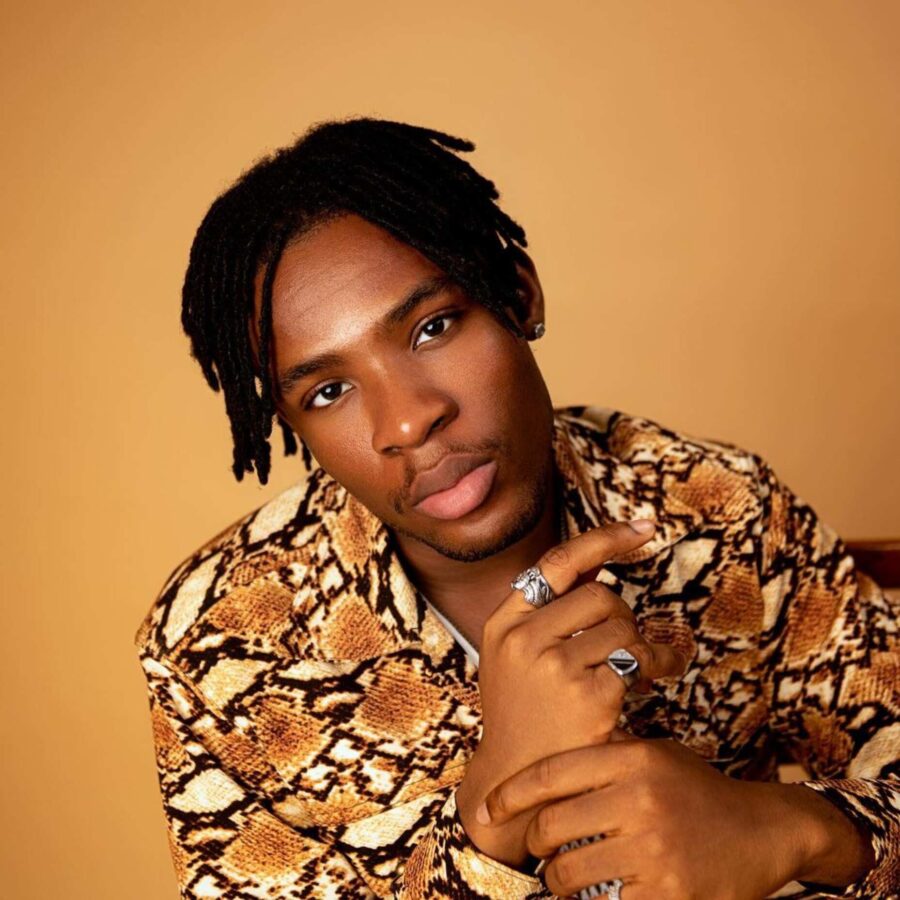 Joeboy’s “Taxi Driver” is one of the cycle’s most quietly effective records. It avoids over-stimulation and instead leans on melodic clarity, emotional readability, and smooth pacing, all of which support long-session listening. The chorus settles quickly without feeling forced, and the arrangement leaves room for tonal nuance rather than crowded production tricks. That makes the song especially resilient in playlist ecosystems where listener fatigue is a major risk. It also performs well across demographics, connecting with core Afrobeats fans and broader pop-leaning users who value vocal softness and narrative consistency. In 2026, where many tracks chase instant impact, “Taxi Driver” stands out as a slower, steadier performer with genuine replay endurance and reliable curation fit.

12. Seyi Vibez – Fuji Moto
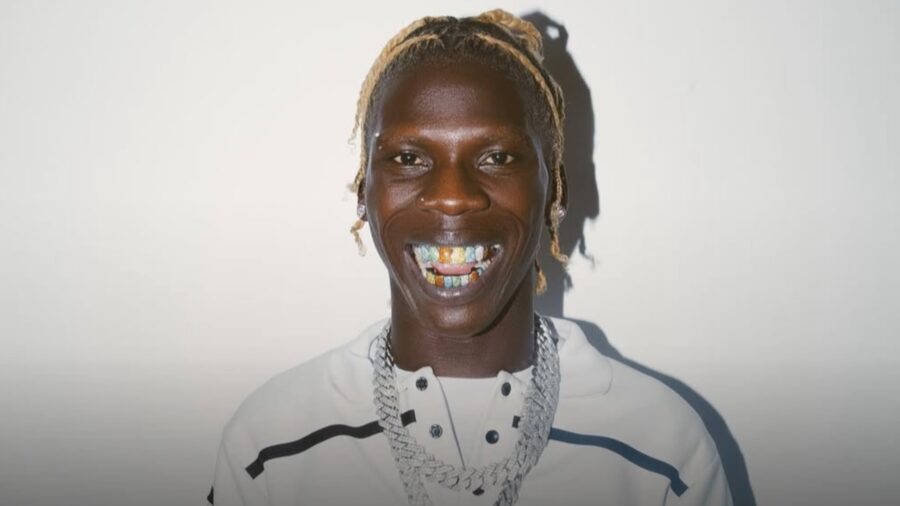 “Fuji Moto” keeps Seyi Vibez in heavy conversation because it combines emotional directness with strong rhythmic viability. The record speaks with street-rooted sincerity, but it is still polished enough for mainstream platform circulation, which broadens its audience without compromising identity. That duality is difficult to execute consistently, and it is the core reason this track has maintained relevance in 2026. It performs in social clips, playlist slots, and dance-floor moments where authenticity matters as much as groove. Seyi’s vocal delivery remains his strongest differentiator, carrying personal texture that many cleaner but flatter records lack. “Fuji Moto” is a reminder that cultural credibility and commercial replay can coexist when songwriting and voice stay aligned.
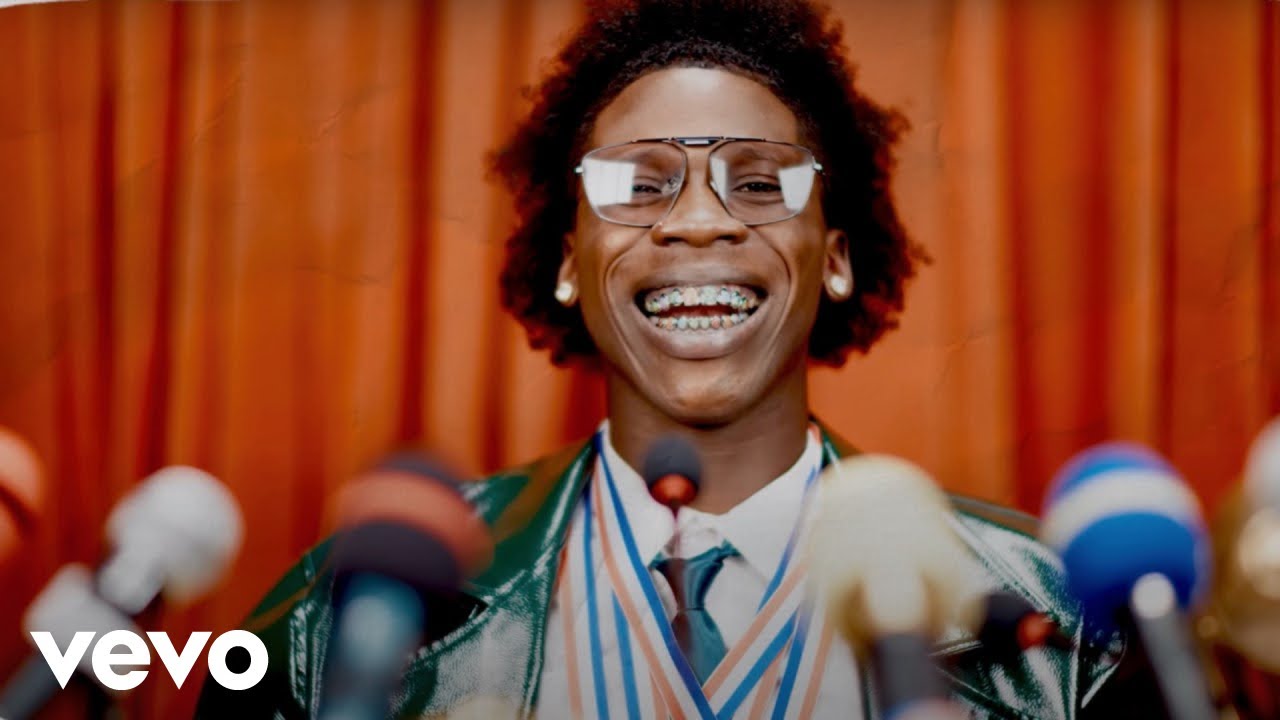
13. T.I Blaze – Kilo
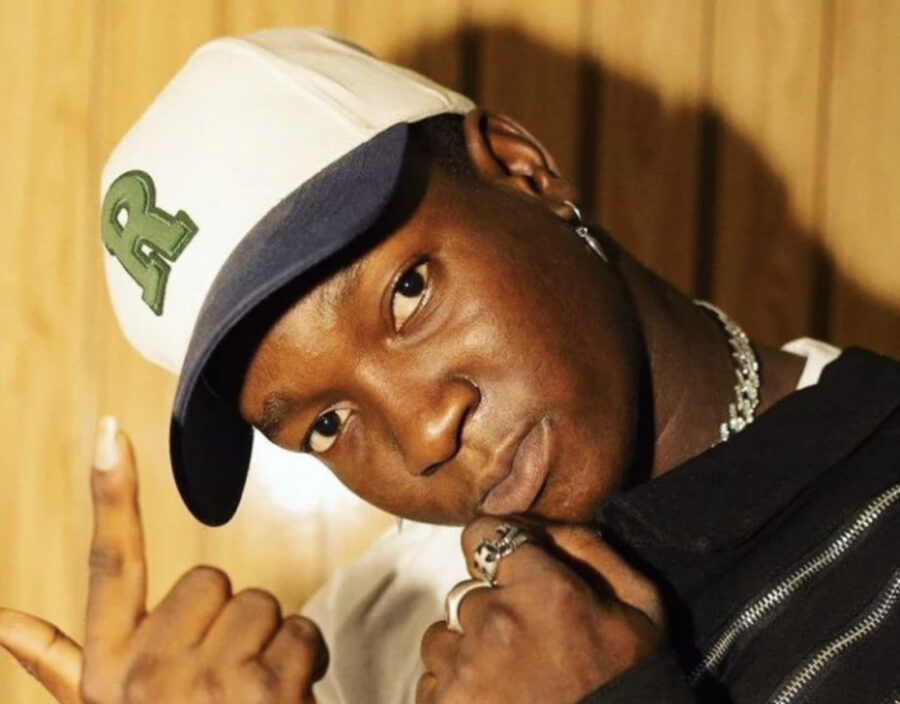 “Kilo” remains in rotation because it offers believable lyrical vulnerability with enough rhythmic movement to remain broadly usable. T.I Blaze delivers with a grounded tone that builds trust and listener attachment, while the production stays simple enough to keep the emotional center clear. In a year dominated by high-output release cycles, songs like this often become quiet constants because they age well under repeated listening. “Kilo” works for audiences seeking substance, but it does not alienate casual listeners who prioritize mood and flow. That cross-audience compatibility is why the track has held presence in 2026 discussions. It is not a novelty record; it is a durable one, and that distinction matters for long-term relevance.
14. Olamide feat. Wizkid & Darkoo – Billionaire’s Club
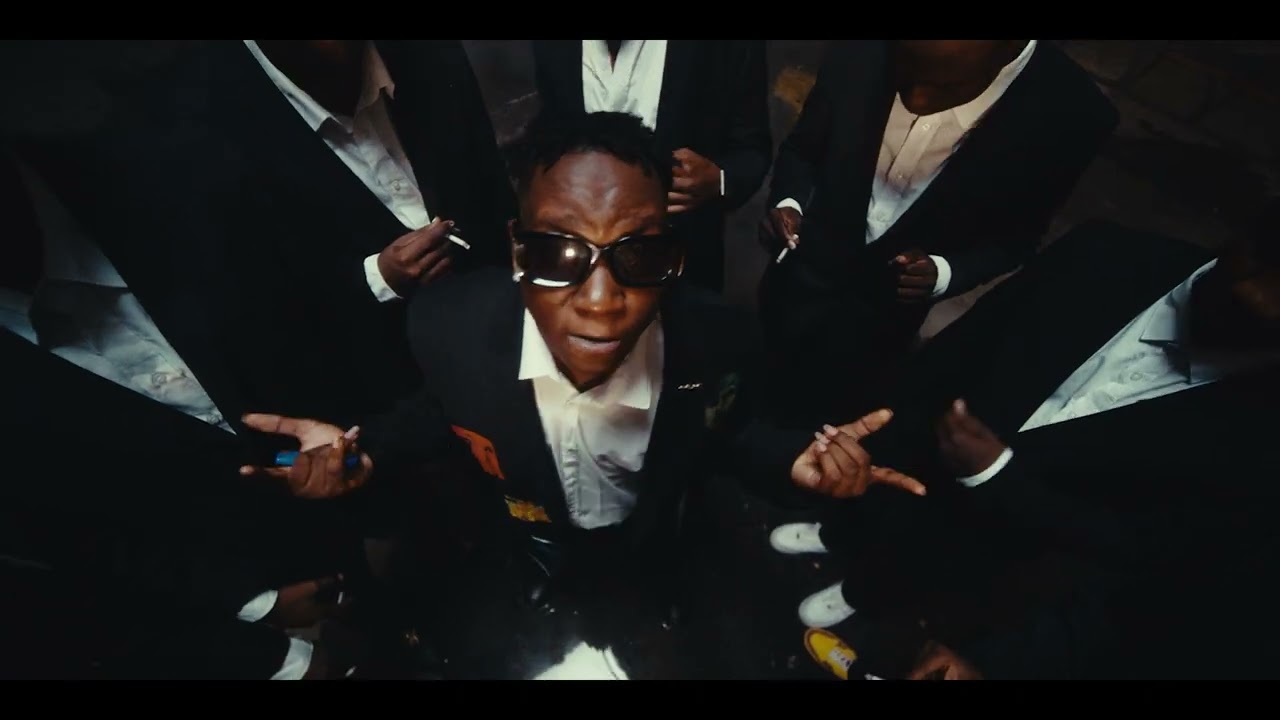
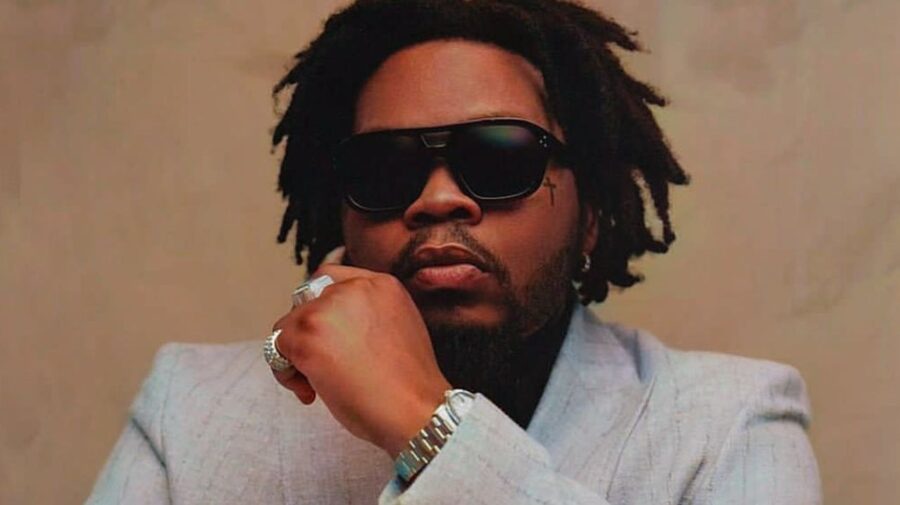 “Billionaire’s Club” lands high because it is one of the few major collaborations this cycle that feels fully integrated. Olamide anchors with veteran control, Wizkid adds smooth global familiarity, and Darkoo contributes modern crossover agility that keeps the record contemporary. The arrangement stays focused, allowing each voice to function without overcrowding the hook path. That cohesion has helped the song hold steady in playlists and DJ sets where feature-heavy tracks often underperform. It carries prestige, but more importantly, it carries replay logic. In 2026 terms, that means it remains practical long after headline value fades. “Billionaire’s Club” is a strong blueprint for cross-generational Afrobeats collaboration done with musical discipline.

15. ODUMODUBLVCK – Declan Rice
 “Declan Rice” is included not as nostalgia, but as evidence of true catalog durability. The song continues to appear in 2026 playlist behavior, DJ programming, and social content at a rate that newer releases still struggle to match. ODUMODUBLVCK’s delivery remains instantly identifiable, and that unique cadence structure gives the record ongoing utility in mixed-format listening environments. Tracks that sustain this kind of cross-cycle relevance usually become cultural reference points, and “Declan Rice” has clearly crossed that line. It still triggers recognition, still drives engagement, and still works functionally in sets where momentum matters. That persistent practical value justifies its place in a current-year ranking despite release-window age.
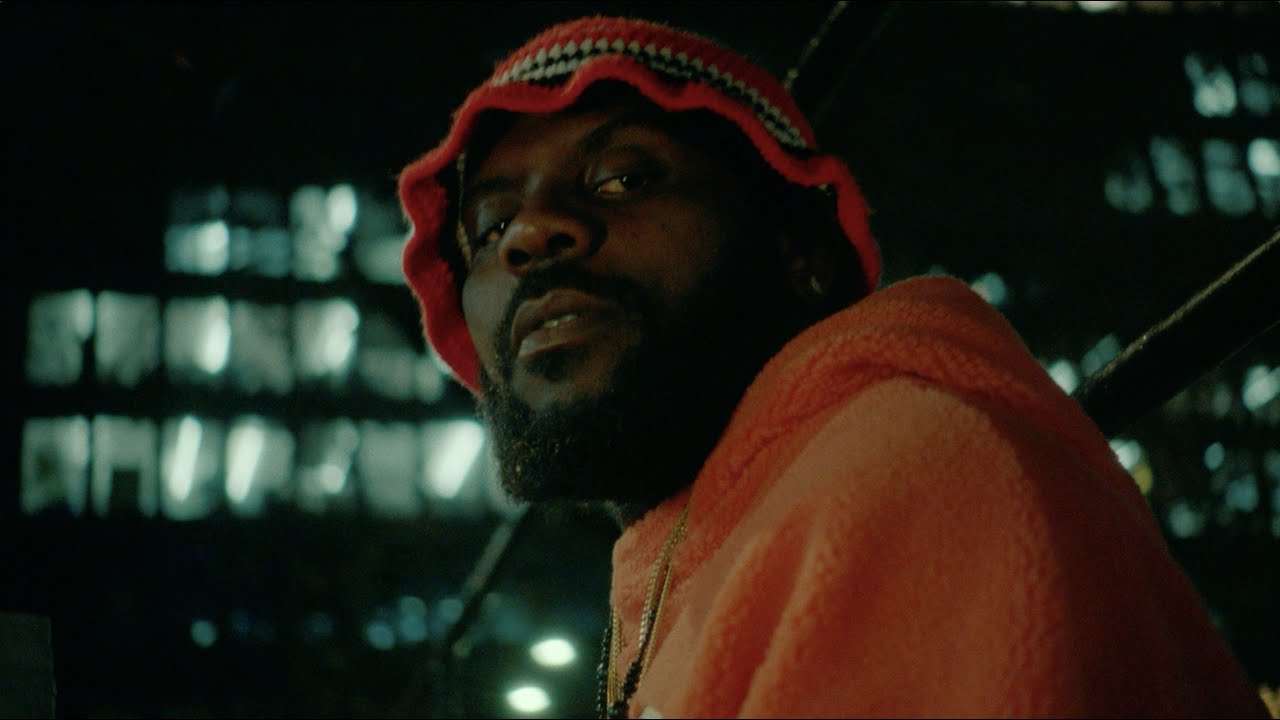
Afrobeats in 2026 is being defined by songs that combine strong identity with repeat economics. These fifteen records have not only made noise; they have maintained practical relevance across platforms, audiences, and physical listening spaces.